
Understanding Rural Rhythms
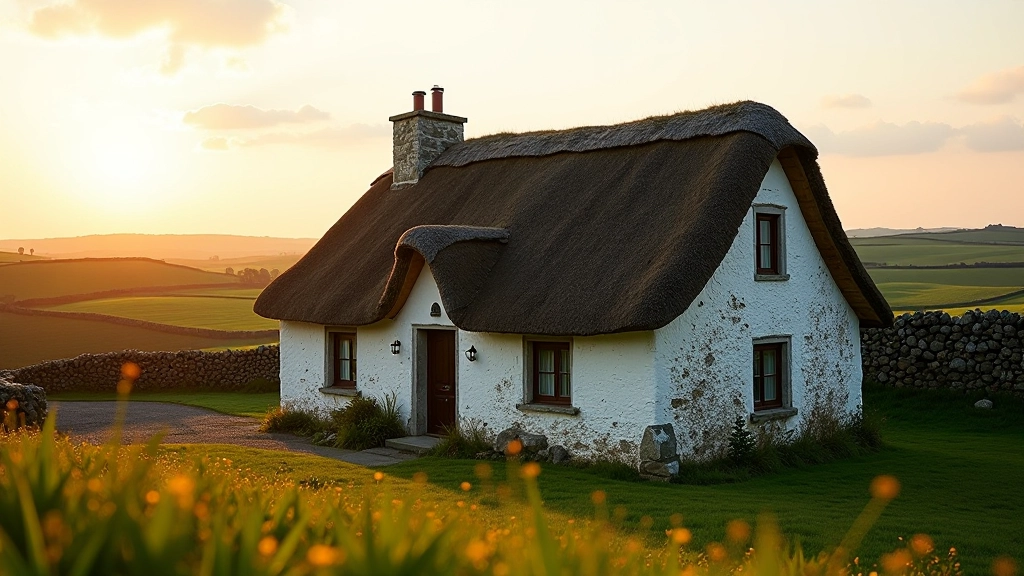
Rural Ireland operates on a different clock than cities. Visitors who're unfamiliar with farm life often find themselves surprised by the early mornings, the seasonal patterns, and the way communities move at nature's pace rather than the clock's. Understanding this rhythm makes your experience richer and helps you connect authentically with locals.
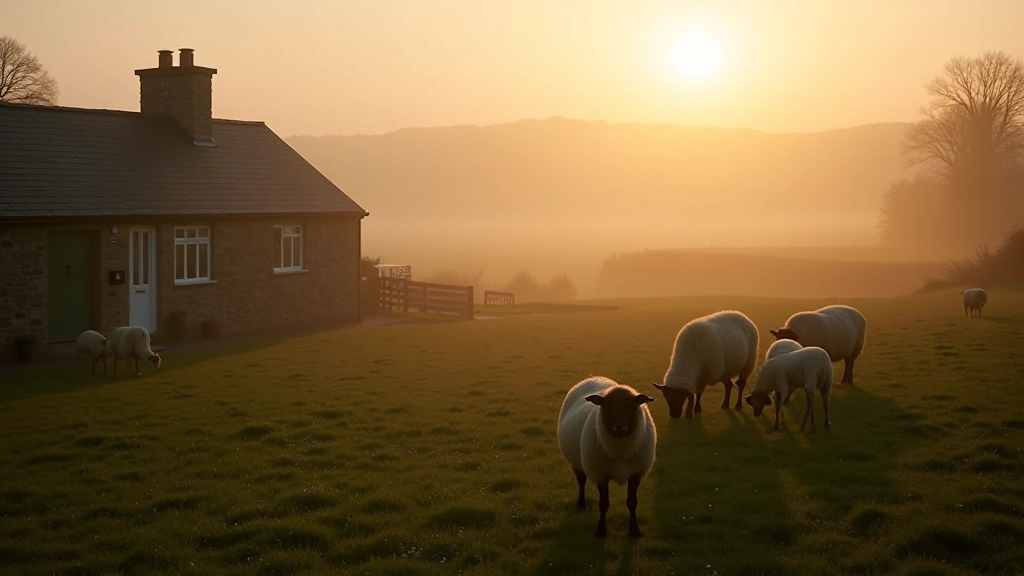
Farms don't follow the 9-to-5. Cattle need milking at dawn and dusk. Sheep need checking in all seasons. During harvest time — whether it's hay in summer or potatoes in autumn — the entire household mobilizes. If you're visiting during these periods, you'll see firsthand why rural life requires such commitment. It's not romantic work; it's genuine labor that shapes every day.
The village itself has its own social rhythm. Pubs open at specific hours. Shops close for lunch. Church on Sunday still anchors the week for many communities. Markets happen on certain days. Once you understand this pattern, you can plan visits that align with authentic community moments rather than awkward quiet hours.
Practical Skills You'll Want to Know
You don't need to be an expert, but knowing basic skills makes your visit infinitely more enjoyable. If you're visiting a working farm, you might help with feeding animals, mending fences, or sorting vegetables. These aren't difficult tasks — they just need the right approach. We're not talking about heavy lifting; most farms welcome seniors for lighter, supervisory roles.
Walking farm trails requires sturdy footwear — proper hiking boots aren't essential, but good walking shoes with ankle support matter. The terrain varies dramatically. Some trails are flat and well-maintained. Others cross boggy ground where your feet sink slightly into peat. You'll encounter stiles (those wooden step structures for crossing fences), gates, and sometimes muddy patches that look worse than they actually are. A walking stick or trekking pole isn't just helpful; it's genuinely useful for balance and reducing impact on knees.
Weather changes rapidly in rural areas. Bring layers. You might start in sunshine and encounter rain within an hour. Waterproof jackets, not heavy coats, work best. And honestly? The locals don't dress fancy. Work clothes, practical footwear, and a no-fuss attitude fit better than resort wear.
This guide is informational and reflects typical rural experiences. Individual farms, communities, and regions vary significantly. Always confirm specific activities, accessibility requirements, and any physical demands directly with your host before visiting. Check weather forecasts and local conditions before heading out on trails. If you have mobility concerns or health considerations, discuss them in advance — most hosts are happy to adjust activities.
What Farm Life Actually Looks Like
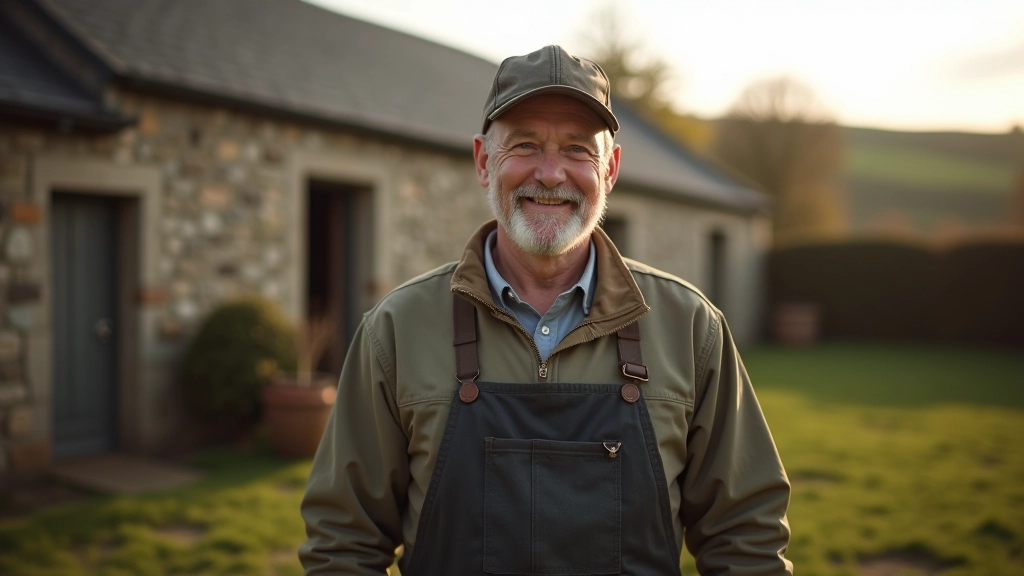
Television and travel blogs often romanticize rural life. The reality? It's rewarding but unglamorous. You'll see farmers in work clothes, not Instagram-perfect attire. Animals have real behaviors — they're not always cooperative or photogenic. The work is repetitive, necessary, and deeply connected to the land.
Most farms have been family-operated for generations. This isn't just a job; it's identity and heritage. When you visit, you're stepping into someone's entire world. They're not performing rural life for tourists — they're inviting you into their actual daily existence. That's the gift of authentic agri-tourism. You see how decisions about weather, animal health, and seasonal timing shape everything.
Sheep farming in Ireland's west looks completely different from dairy farms in the south. Vegetable operations have their own rhythm. Rare breed heritage farms maintain traditional practices. The diversity is significant. Understanding what you're visiting — whether it's a working dairy, a heritage farm, or a small mixed operation — helps you know what to expect.