Bog Heritage Trails: Understanding Ireland's Ancient Landscape
Explore the oldest ecosystems in Europe and discover how Ireland's bogs shaped its culture, history, and natural environment for thousands of years.

What Are Ireland's Bogs?
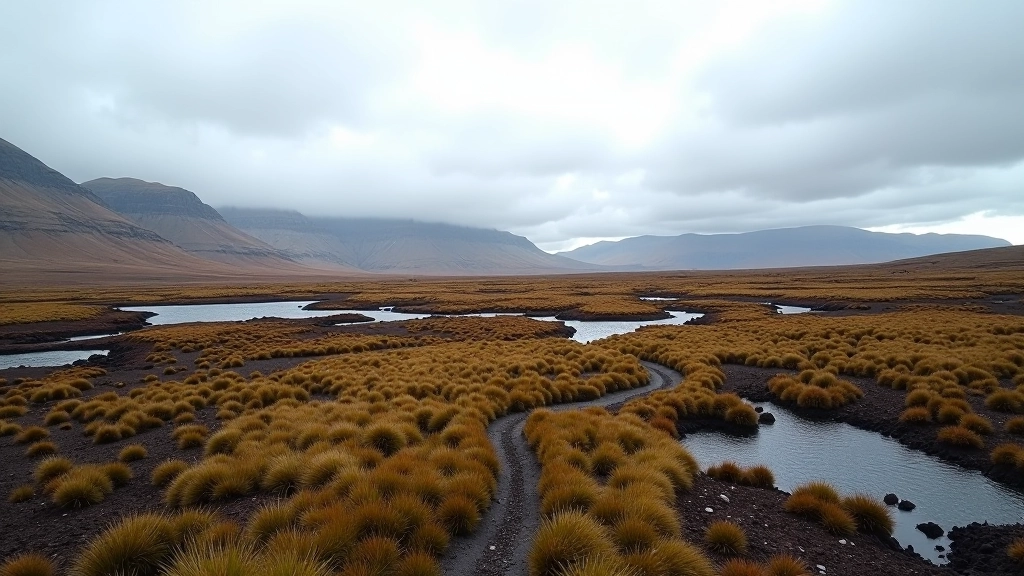
Ireland's bogs aren't just muddy wastelands — they're living museums. These landscapes tell the story of our climate, our ancestors, and the plants and animals that've survived here for millennia. If you're planning to visit Ireland's bog heritage trails, you'll want to understand what you're actually looking at.
The bogs covering roughly 17% of Ireland today started forming about 10,000 years ago after the last ice age. They're home to rare plants, prehistoric artifacts, and some of the best-preserved organic material on Earth. Walking these trails isn't just a hike — it's stepping into deep time.
The Two Main Types of Bogs
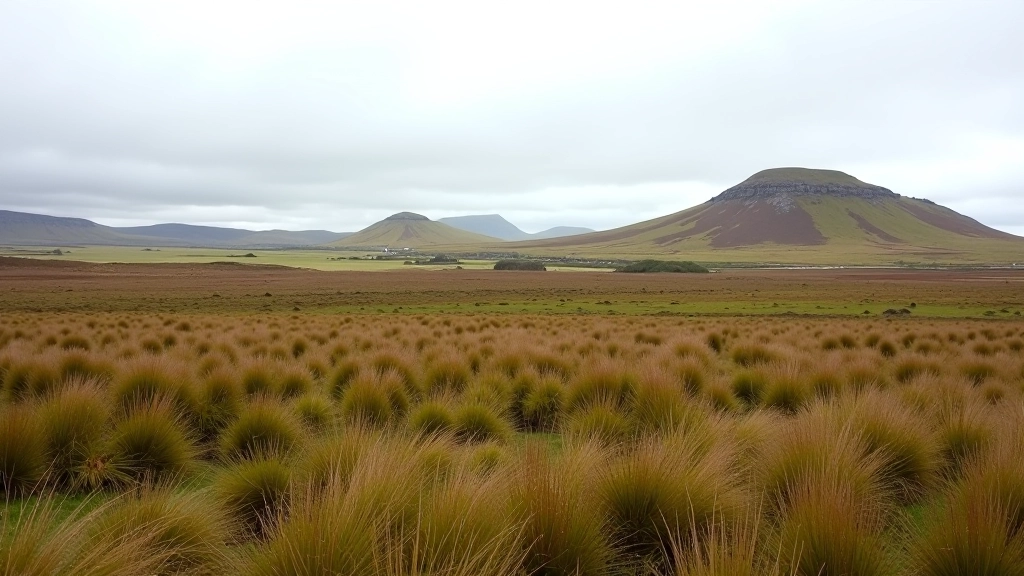
Ireland's bogs fall into two categories, and knowing the difference helps you understand what you're seeing on the trail. Raised bogs dome upward from the landscape — they're highest in the middle and slope down at the edges. You'll find them in the Midlands, and they're spectacular when the light hits them right. The peat can be 12 meters deep in some spots.
Blanket bogs cover hilltops and slopes, especially in the west and northwest. They're called blanket bogs because they literally blanket the hills. These are younger than raised bogs — most formed in the last 3,000 years. The Wicklow Mountains, the Boggeragh range, and areas around Donegal have extensive blanket bog systems. They're wetter, windier, and honestly more dramatic to walk through.
When you're on a trail, look at the shape of the land. Is it doming up in the center? That's raised bog. Is it following the hills and slopes? Blanket bog. Both are fragile ecosystems, and both tell different stories about Ireland's climate history.
The Wildlife Living There
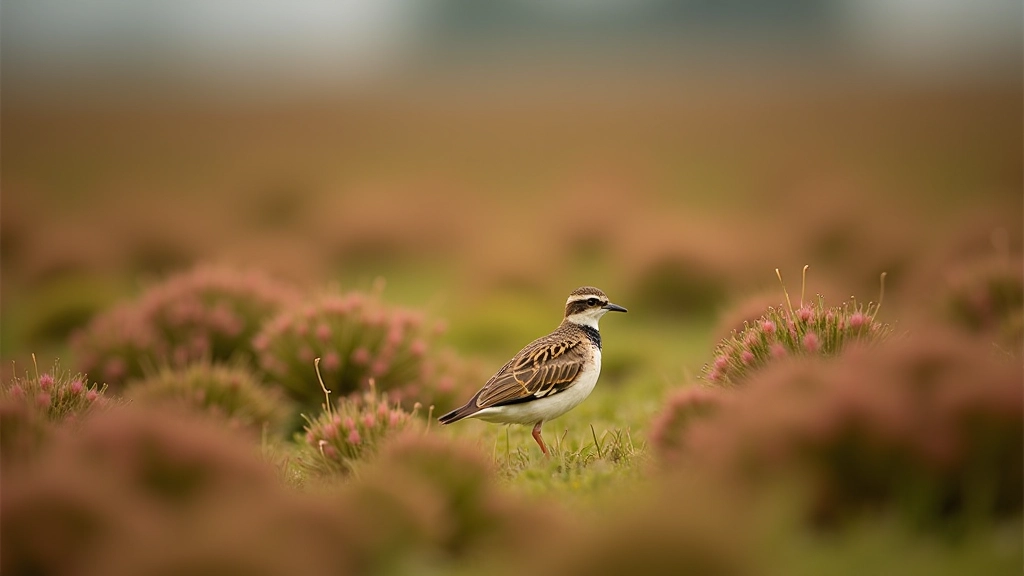
Bogs aren't silent places. You'll hear curlews calling, see golden plovers darting across the heather, and watch dragonflies hover over the pools. These birds and insects depend entirely on bog habitat — they can't survive anywhere else. The bog is their whole world.
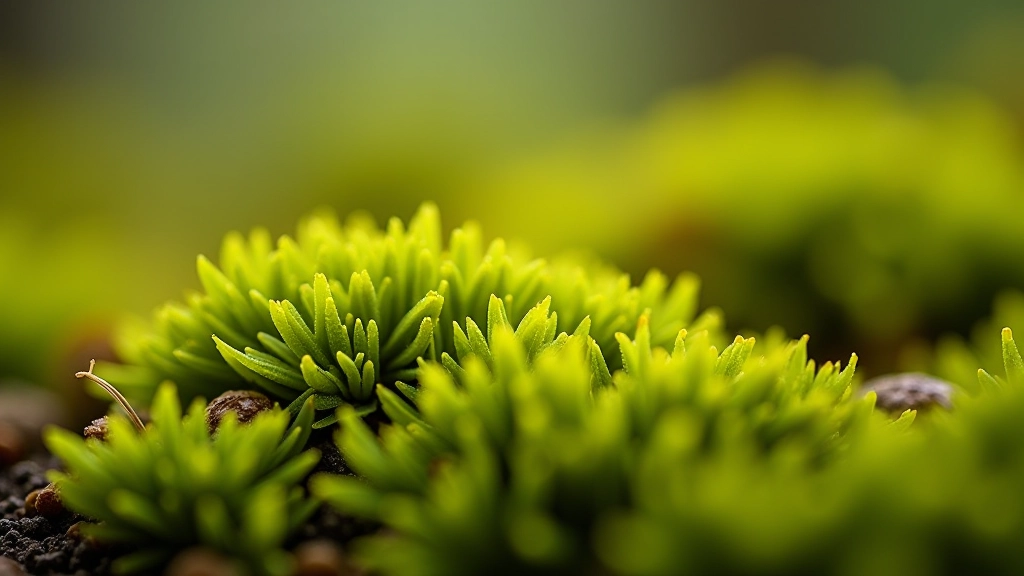
The plant life's even more specialized. You've probably never seen many of these species before. Sphagnum moss (at least 30 different types in Ireland), cross-leaved heath, sundews, and bog cotton create a landscape that looks almost alien. The sundews are carnivorous — they trap insects to supplement the nutrients they can't get from poor bog soil.
Walking quietly in early morning gives you the best chances of spotting wildlife. Red grouse, mountain hares, and even adders live in some bog areas. Don't worry about the adders though — they're shy and won't bother you. Just watch where you step and stay on marked trails.
Important Information
This guide is informational and educational in purpose. Bog environments are protected in many areas — always check with local authorities, trail organizations, and landowners before visiting. Conditions vary seasonally. Wear appropriate waterproof footwear, bring maps, and let someone know your plans. Weather changes rapidly on open bog. This article provides general knowledge about Ireland's bog heritage and shouldn't replace professional guidance from local tour operators or conservation organizations.
What the Bogs Preserve
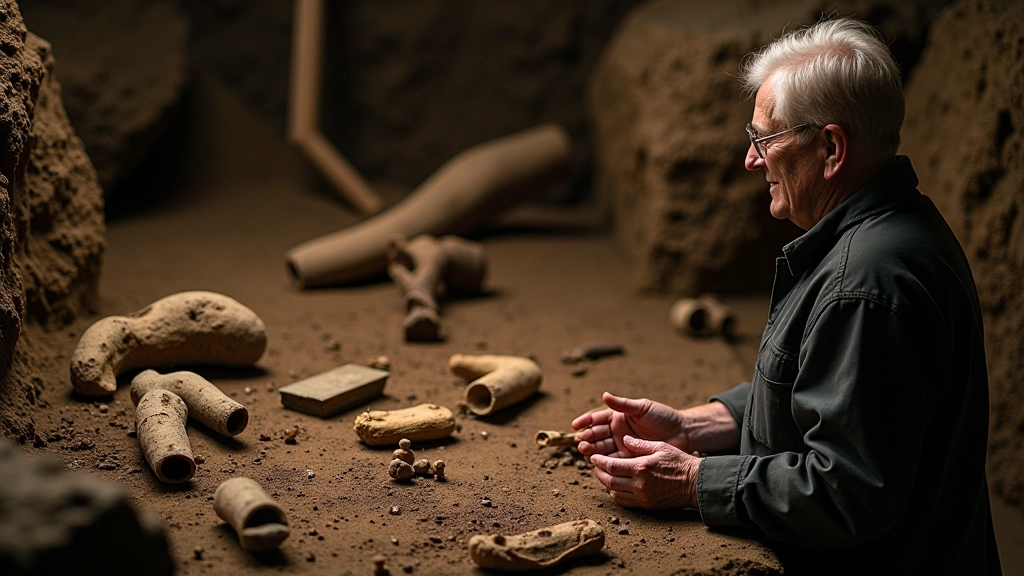
Here's where it gets truly remarkable. Bogs are nature's time capsules. The acidic, waterlogged conditions preserve organic material — wood, fabric, food, bodies — for thousands of years. You won't see these artifacts on most trails, but knowing they're there changes how you experience the landscape.
Bog bodies found in Ireland and elsewhere reveal what people ate, how they dressed, and sometimes how they died. Tollund Man in Denmark, found in a bog in the 1950s, still had his stomach contents preserved — a final meal eaten 2,400 years ago. In Ireland, finds like the Clonycavan Man have given archaeologists unprecedented insight into Iron Age life.
Ancient wooden roads called toghers crisscross Irish bogs. Some are over 5,000 years old. Farmers built them to cross wetlands that were even wetter then. Pollen trapped in bog layers tells us what plants grew when, showing us how Ireland's climate and vegetation changed over millennia. A single bog core can contain 10,000 years of environmental history.
How to Actually Walk These Trails
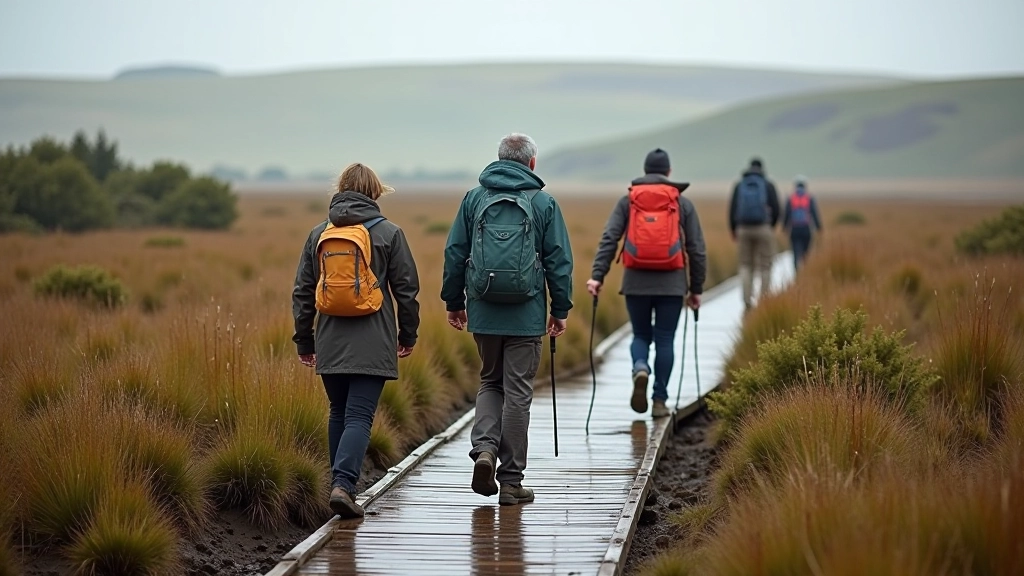
Most bog heritage trails in Ireland are well-maintained with wooden boardwalks that protect both you and the fragile ecosystem. The boardwalks exist for a reason — bog vegetation takes decades to recover from footsteps. Stick to marked paths. It's not just about conservation; bogs are genuinely dangerous if you wander off. What looks solid might be sphagnum moss stretched over water. You can sink.
Wear waterproof boots. Seriously. Even in summer, bogs are wet. Merlin Bog Walk near Birr, Ceide Fields in Mayo, and Glenveagh's trails all have sections where your feet will get damp. Bring extra socks. Dress in layers because wind cuts across open bog, and weather changes faster than you'd expect. A clear morning becomes cloudy by midday.
Best times to visit? Late May through September. The light's better, trails are more passable, and you'll see more wildlife. Spring brings nesting birds, so some areas close temporarily. Always check ahead. Go slowly. There's no rush on a bog trail. Stop, listen, look at the details — the color variations in the peat, the insects, the way light reflects off water pools.
Why These Trails Matter
Ireland's bogs are disappearing. Peat extraction, drainage for farming, and climate change threaten these ancient ecosystems. Walking bog heritage trails isn't just tourism — it's becoming an act of witnessing. You're seeing something that won't exist in 50 years if current trends continue.
Understanding what bogs are, what they contain, and why they matter helps you become an advocate for their protection. When you walk these trails, you're not just taking a hike. You're connecting with 10,000 years of Irish history, supporting conservation efforts, and experiencing one of Europe's most unique ecosystems.
Whether you're visiting the Midlands, exploring the west, or checking out the bogs near Galway, you're stepping into deep time. Pay attention. These landscapes have stories that stretch back millennia, and they're waiting for you to listen.