
Farm-to-Table Visits: Eating Local in Ireland
Aren't sure what farm-to-table means? This guide explains how to find authentic experiences where you'll meet farmers, learn their stories, and taste food grown on the land you're standing on.

What Farm-to-Table Really Means
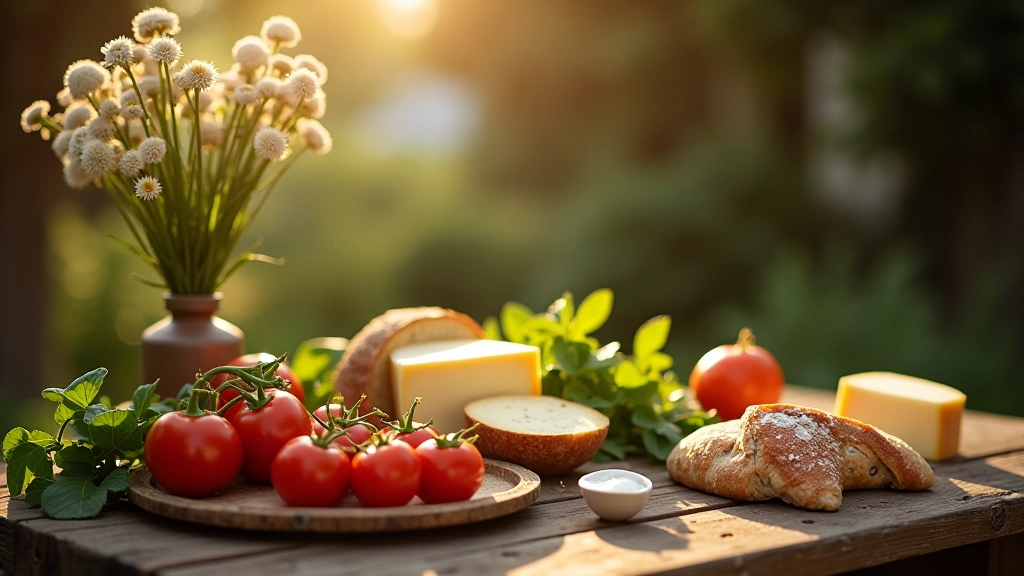
Farm-to-table isn't just a buzzword. It's an actual experience where food moves directly from the farmer's field to your plate. No middlemen, no warehouses, no long journeys. You'll see where vegetables grow, meet the people who tend the soil, and taste vegetables picked that morning.
In Ireland, this isn't fancy or pretentious. It's how farming has worked for generations. What's changed is that now you can visit these farms, sit down with the people running them, and eat meals prepared from what they've grown.
Why Visit a Farm?
You'll understand where food actually comes from. Not from a picture on a package. From soil, water, weather, and real people's hands. Plus the food tastes completely different when it's been picked hours before you eat it.
Finding Authentic Farm Experiences
West Cork has some of Ireland's best farm-to-table experiences. The region's mild climate means farmers grow everything from vegetables to herbs to berries. Many farms have opened their gates to visitors in recent years.
Look for farms that offer "farm dinners" or "field-to-fork experiences." These aren't tourist attractions in the traditional sense. They're working farms where the farmer or chef prepares a meal using what's currently growing. You might eat root vegetables in autumn, fresh greens in spring, and berry desserts in summer. The menu changes based on what's ready to harvest.
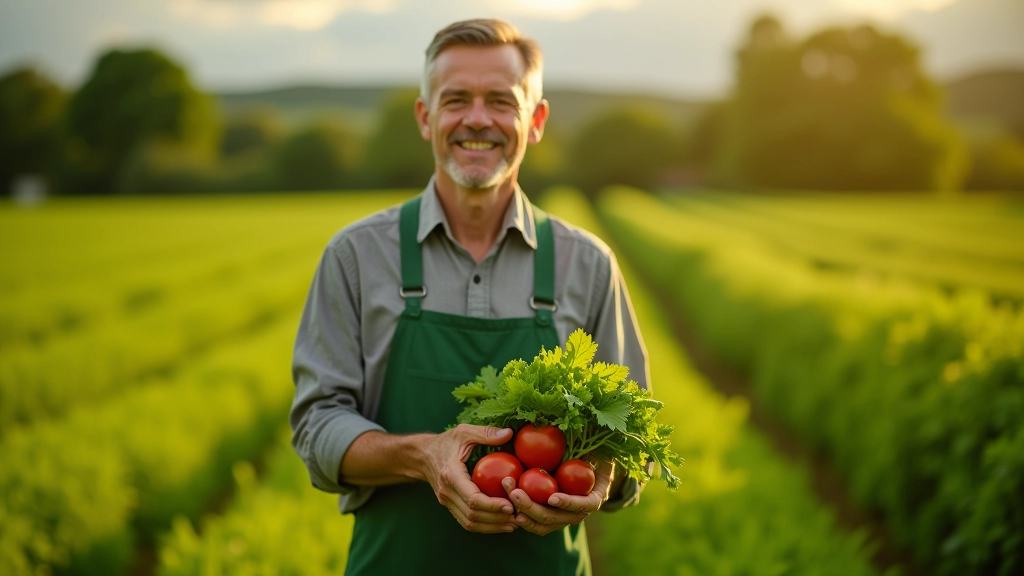
The best experiences happen when the farm owner or chef takes time to explain what you're eating. They'll tell you about soil type, rainfall patterns, why they chose certain varieties. It's educational without feeling like a classroom.
How to Spot a Real Farm Experience
- Farm dinners happen at specific times (usually seasonal)
- Menus change — they're not identical week to week
- The farmer or a chef is present to explain the food
- Numbers are limited (often under 20 people)
- Reservations are required weeks in advance
What to Expect at a Farm Dinner
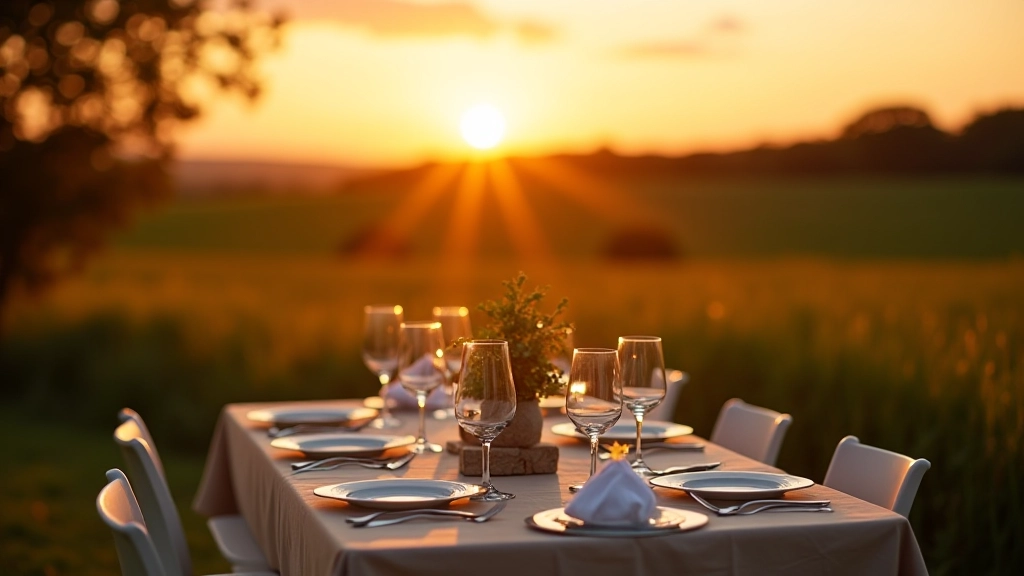
Most farm dinners last 3-4 hours. You're not rushing. It's a relaxed meal where the pace matches the food and conversation. Expect 5-7 courses, though the portions are reasonable. Each course uses ingredients from that farm or neighboring farms.
You might start with soup made from vegetables picked that morning. Then a salad with herbs grown metres away. A main course featuring meat from local producers. Sides that change based on the season. Dessert using seasonal fruit — strawberries in June, apples in September. Everything's paired with Irish wines, craft beers, or ciders if you're interested.
The farmer or chef typically explains each dish. Not in a stuffy way — they're genuinely excited about what they're serving. You'll learn which vegetables are ready now, what grows well in their soil, why they chose certain varieties.
Practical Tip: Wear comfortable clothes. You might tour the fields before eating. Bring a light jacket — evenings get cool even in summer. Most dinners happen outdoors under cover or in farm buildings, so weather matters.
Important Note
Farm-to-table experiences vary widely. Some farms require advance booking months ahead. Availability depends on weather and harvest timing. Prices and meal structures differ between farms. Always contact the farm directly to confirm dates, menu details, dietary requirements, and accessibility information. Some farm locations aren't easily accessible by public transport — you may need a car or to arrange transport in advance.
Planning Your Visit
Booking requires planning. Most farm dinners operate May through October. Summer (June-August) fills up quickly. Spring and autumn offer better availability and often feel more special — you're eating with fewer tourists around.
Start by searching "farm dinners West Cork" or "agri-tourism experiences Cork." You'll find independent farms and organized agri-tourism networks. Some farms run dinners weekly. Others do them monthly or just a handful of times per year.
Costs typically range from €60-150 per person depending on the farm and what's included. Some include wine pairings (adds €20-40). Book early — genuinely, book 6-8 weeks ahead if possible. Popular farms have waiting lists.
Before You Book
Beyond the Dinner
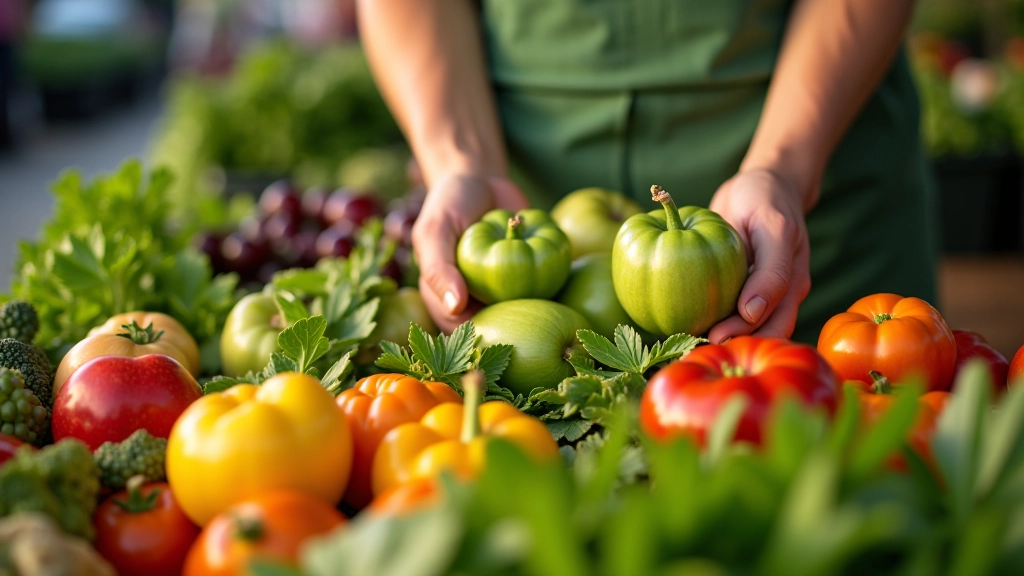
Farm-to-table isn't limited to formal dinners. Many farms sell produce directly. You can visit farmers' markets in Cork city and surrounding towns where farmers sell what they've grown that week. The advantage? You're buying directly from the grower. You can ask questions about how it was grown, when it was picked, how to prepare it.
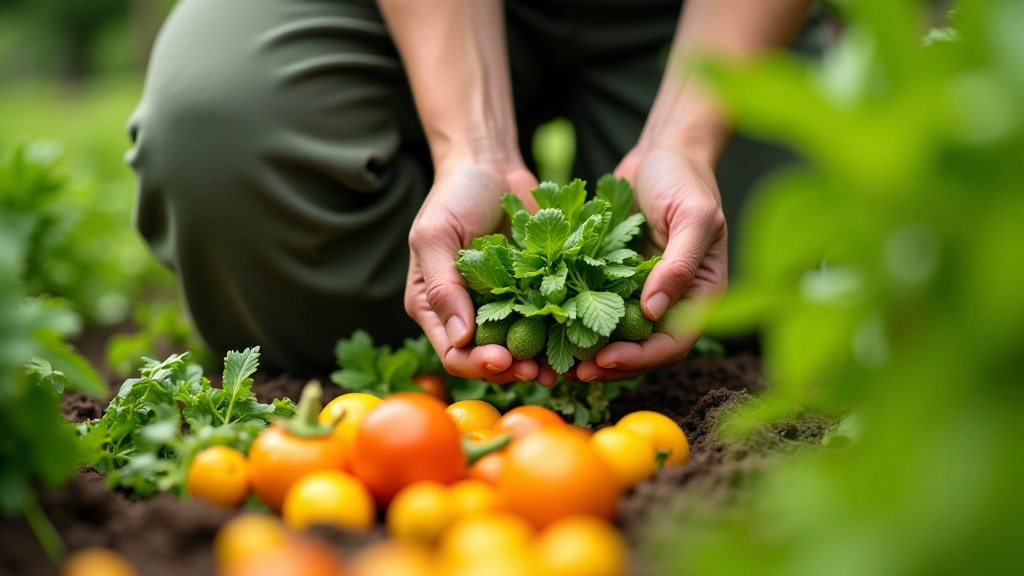
Some farms offer farm shop visits or "pick your own" experiences. You walk the fields and harvest vegetables yourself. It's more hands-on than a dinner, and honestly, it's fun. You understand the work involved. And the food tastes better when you've picked it yourself.
Other farms offer workshops — bread-making using local flour, cheese-making, preserving vegetables for winter. These run year-round and give you skills you can use at home.
"The real value isn't the fancy meal. It's understanding that the person who grew your food lives 10 miles away. That matters."
Starting Your Farm-to-Table Journey
Farm-to-table visits aren't luxury tourism. They're a way to understand food, meet farmers, and eat better. You don't need special knowledge or experience. You just need curiosity and a willingness to spend a few hours on a working farm.
Start by visiting a farmers' market. Chat with the growers. Ask where they're located. Many farmers are happy to talk about their work and welcome visitors. From there, explore farm dinners or workshops. Each experience builds your connection to the food you eat and the land it comes from.
This is the kind of travel that stays with you — not because of Instagram photos, but because you've met real people, learned real things, and eaten food that tasted like the soil it grew in. That's worth the trip.