
Walking Farm Trails in West Cork: A Beginner's Guide
Start with easy trails that take you through working farms and meet local farmers. We've picked routes that're accessible and rewarding without being exhausting.

Why West Cork for Your First Farm Trail?
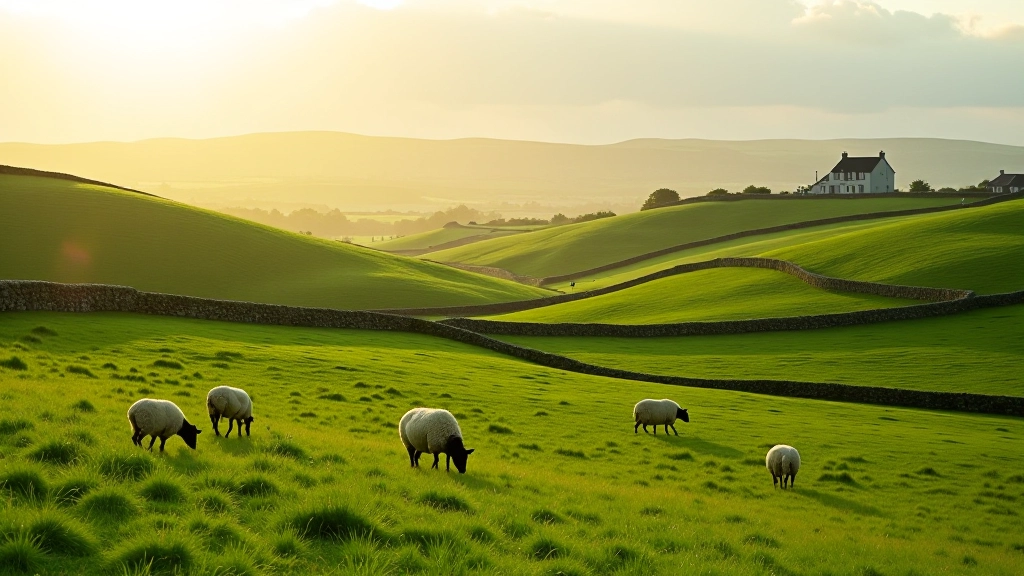
West Cork's got something special. The landscape rolls gently — you're not climbing mountains. The farms are real working places, not theme parks. And the people running them actually want to talk about what they do.
This isn't a tourist trap experience. You'll walk through fields where sheep graze year-round, past hedgerows thick with wildflowers in spring, and along ancient stone walls. Most trails take 2-3 hours, which means your legs stay happy and you've got energy left to chat with the farmers.
We're talking about routes that're flat or gently sloping. Proper paths, not muddy scrambles. And farms that've been doing this for years — they know what beginners need.

What You Actually Need Before You Go
Here's the honest bit: you don't need much. But what you bring matters.
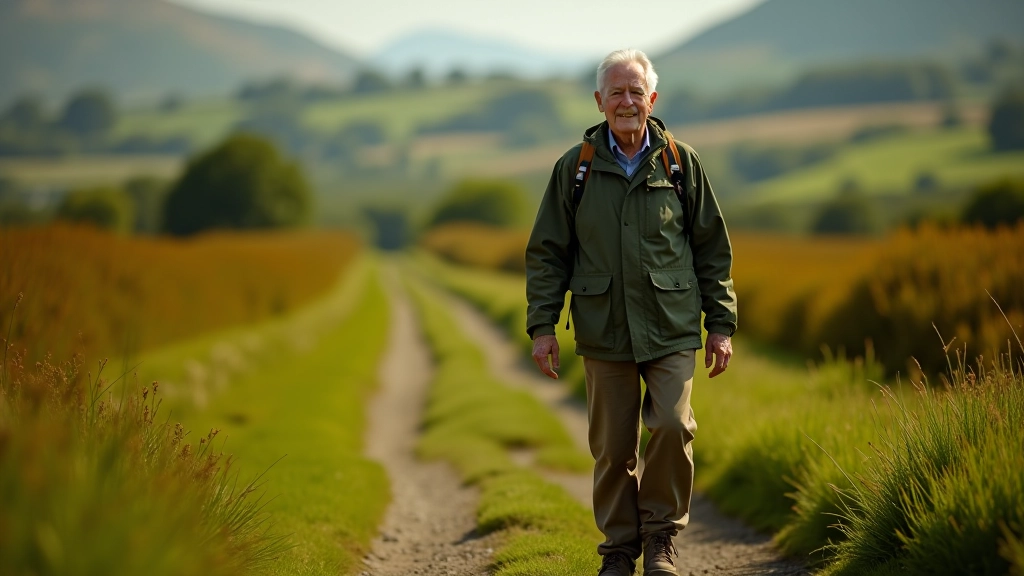
Footwear is everything. Not hiking boots necessarily — regular walking shoes with proper ankle support work fine. The paths aren't technical, but they're real ground. Avoid anything with smooth soles. You'll be walking on grass, gravel, and old stone sometimes.
Bring layers. West Cork weather changes fast. A light rain jacket takes up barely any space. You might start the morning cool and end sweating by noon — or the opposite. Three layers (base, middle, windbreaker) gets you through most conditions.
Water and snacks aren't optional. Two hours of walking in countryside air builds appetite. Bring more water than you think you'll need. The farms don't have convenience stores nearby.
What This Guide Covers
This guide is informational — it describes beginner-friendly farm trails and general preparation tips based on common conditions in West Cork. Always check current weather forecasts and trail conditions before heading out. Some trails may be closed seasonally or due to farm activities. Contact farm operators directly to confirm opening times and any specific requirements. Your physical ability and health matter — choose trails that suit your fitness level, and don't hesitate to turn back if conditions feel unsafe.
Three Beginner Trails to Start With
Each of these trails has been walked by first-timers. They're not boring, but they won't leave you exhausted either.
The Inchydoney Loop
Starts at a working sheep farm near Inchydoney Beach. The path takes you through pastoral fields with views toward the coast. Farmer John's been running this for twelve years — he stops walkers to explain what the different breeds do and why certain fields are rotated. The trail loops back through an orchard planted in the 1950s.
- Flat terrain, well-maintained path
- Meets the farmer most days
- Beach views from halfway point
Dunmore Farm Heritage Walk
This one's got history. The farm dates back to the 1600s, and the trail passes through areas where they've found old stone foundations. You're walking on the same routes farmers used for centuries. Modern farm operations sit alongside these ancient spaces. There's a small café at the midpoint if you need to rest.
- Historical structures visible throughout
- Mostly level with gentle inclines
- Café at 2 km point for refreshment
Castlefreke Pasture Trail
The shortest of the three, but honestly one of the best for first-timers. Mixed livestock farm — cattle, goats, and chickens all roaming. The family that owns it loves having people visit. Kids sometimes help with the farm tour. You'll finish this one feeling like you've done something real without being wiped out.
- Shortest option, great confidence builder
- Multiple animal types to observe
- Family-friendly atmosphere
Seven Things Beginners Often Miss
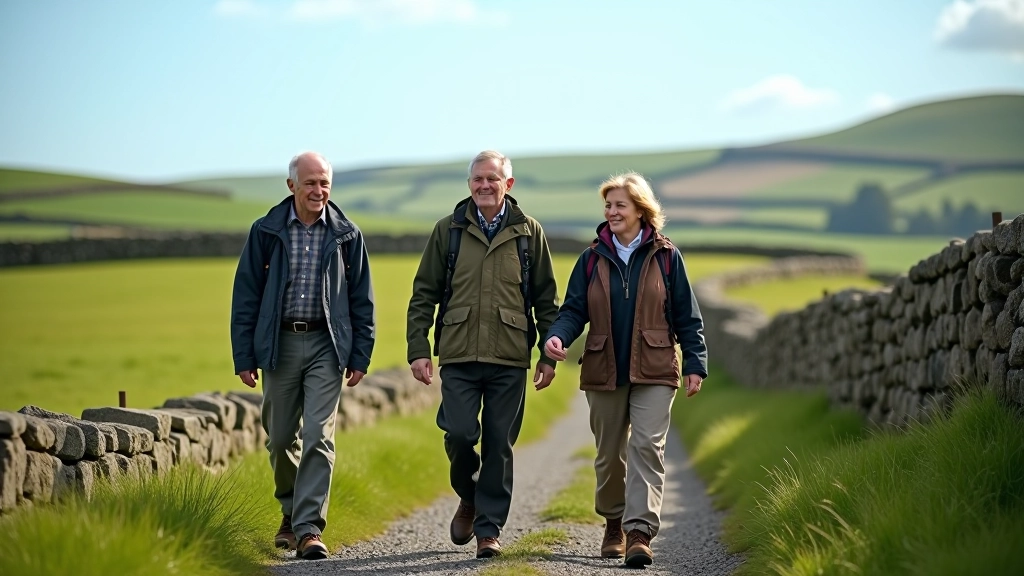
You don't need to be an expert. But these details make the difference between a good walk and a great one.
- Check the calendar. Farms have seasons. Spring (April-May) is best — fields are green and animals are active. Winter's possible but muddy. Summer can be hot. Ask which time the farm recommends before booking.
- Arrive early. Morning light is better for photography, crowds are smaller, and the farm owners are less rushed. 9 AM is ideal.
- Talk to the farmer. They've got stories. Ask about the animals, the land, the work. Don't be shy — they're not doing this for silence.
- Respect the gates. Close them behind you. Every time. This isn't being polite — it's preventing livestock from wandering onto roads.
- Don't touch without asking. The animals aren't petting zoo animals. Some are friendly, some aren't. Always ask first.
- Pack out what you pack in. Even organic waste doesn't belong in someone's fields. Take your rubbish with you.
- Bring a camera or phone. Not for Instagram necessarily — for remembering details. The patterns on stone walls, the way light hits the fields at different times, the color of wildflowers. These details stay with you.
Getting There and Booking
West Cork isn't remote, but it's not Dublin either. You'll need a car or to arrange a driver. Most farms don't have public transport access — that's part of why they're still real farms and not shopping centers.
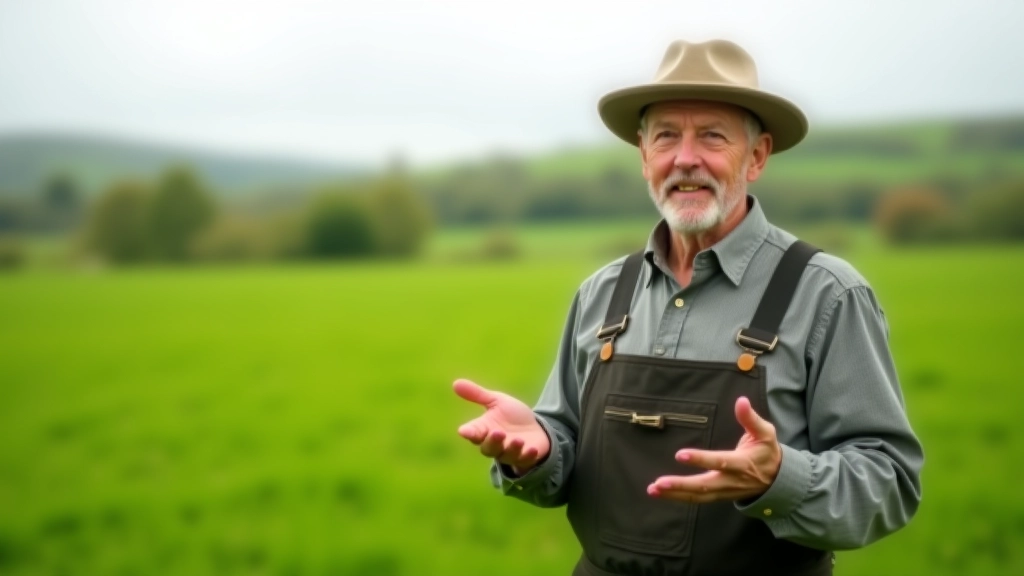
Booking ahead is essential. These aren't walk-up experiences. The farms manage visitor numbers to keep things manageable for both the animals and their operations. Call or email a week before you plan to visit. They'll tell you what to expect, whether any sections are restricted that day, and where to park.
Cost varies, but expect €10-20 per person. Some farms include a drink or snack. It's worth it — you're paying for access to working agricultural land and the time the owners spend with you.
Best months are April through September. October's still good, but rain increases. November through March gets muddy and unpredictable. That said, winter has its own beauty — fewer people, clearer skies on good days, and the farms look different when fields are bare.
Your First Farm Walk Starts Simple
You don't need special skills. You don't need to be super fit. You need comfortable shoes, genuine curiosity, and willingness to spend a few hours outside. That's it.
Pick one of these trails. Call the farm. Show up on a good weather day. Walk the path. Talk to the people. Watch the animals do what they've done for generations. You'll come back changed — not dramatically, but noticeably. The countryside does that when you actually spend time in it.
West Cork's waiting. The farms are real. The walks are doable. You've got this.